


Quick Answer: Hume vs Whoop comes down to evidence, cost and goals. Whoop has more independent research behind its older bands, and Hume Band 2.0 costs about $249 once with no required subscription. Whoop needs a yearly membership of $199 to $359. A 2025 study found acceptable overnight heart rate and HRV agreement for Whoop 4.0, while one clinician-led review found no published validation of the Hume Band. Treat both as wellness estimates, not diagnoses.
Introduction
Hume vs Whoop is a popular search because both bands are screenless and both promise sleep and recovery insights. The real differences are how much evidence exists, how you pay and what extra scores you get. At stoninsider.com, we focused on those three points so you can compare the two without hype.
What This Guide Covers
You will see a side-by-side table, six accuracy and cost facts, what a 2025 wearable study showed, three-year costs, blood pressure and ECG features, and who should buy which.
How I Checked the Information
I used the makers’ public product pages, a 2025 peer-reviewed study and several independent 2026 reviews. Prices and features change, so confirm everything on the official sites before you buy.
Hume vs Whoop at a Glance
Here is the short version of the main differences. The sections below explain each one.
Comparison Table
| Area | Hume Band 2.0 | Whoop 5.0 / Whoop MG |
|---|---|---|
| Price model | About $249 once (list $356), optional Premium | Membership required, $199 to $359 a year |
| Battery (maker’s figure) | Up to 14 days | 14+ days |
| Independent evidence | None published that we found | Older Whoop 4.0 studied against an ECG-based reference |
| Best for | Budget and long-term trends | Training and recovery coaching |
| Blood pressure | Trend insights on the base band | Whoop MG, top tier, in beta |
| ECG | Not offered | Whoop MG, described as FDA-cleared |
The Short Verdict
In the Hume vs Whoop verdict, Whoop suits athletes and people who want more independent evidence. Hume suits budget buyers who want trends without a subscription.
Hume vs Whoop: 6 Accuracy and Cost Facts
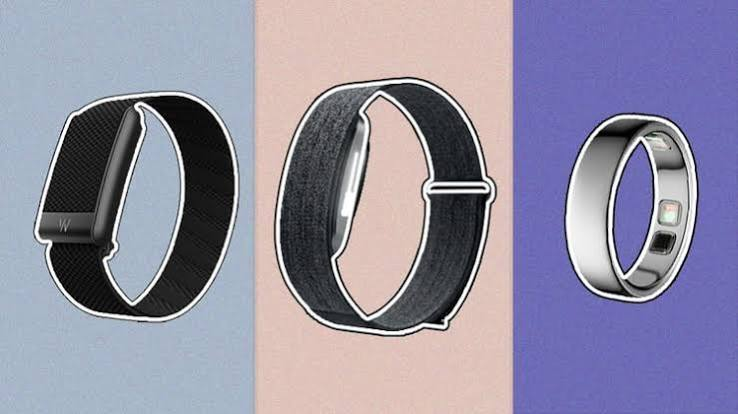
These six facts explain most of the difference between the two bands. Each one affects what you pay or how much you can trust the numbers.
Fact 1: Whoop Has More Independent Research
A 2025 study in Physiological Reports tested older wearables against an ECG-based chest strap during sleep. Whoop 4.0 showed acceptable agreement. Whoop 5.0 was not part of that study.
Fact 2: Hume’s Scores Are Not Independently Validated
A physician-led review from Plotline Health reported finding no published, independent validation study of the Hume Band. Hume describes its scores as directional and not clinical. That does not mean they are wrong, only that the evidence is not public.
Fact 3: Wrist Sensors Struggle With Hard Lifting
Optical sensors on any wrist band can lose accuracy during intense movement or tight gripping. Peak heart rate during weightlifting is the weak spot for both bands.
Fact 4: The Cost Gap Grows Every Year
Whoop’s membership repeats every year, while Hume’s core features do not. Over three years, the gap is several hundred dollars.
Fact 5: Blood Pressure Features Are Estimates
Both makers describe their wrist blood pressure insights as trends or wellness estimates, not cuff readings. Use a validated cuff for anything that matters medically.
Fact 6: Compare Each Device Only With Itself
Brands calculate HRV and recovery differently. A Hume number and a Whoop number are not comparable, so watch your own trend over weeks.
What Did the 2025 Wearable Study Show for Hume vs Whoop?
For the Hume vs Whoop question, it showed useful but limited evidence, and it did not test Hume at all. The study compared five wearables against an ECG-based reference during sleep. Here is what that means in plain language.
Study Basics
Dial and colleagues, in Physiological Reports (2025), had 13 healthy adults wear several devices during 536 nights of sleep. The reference was an ECG-grade Polar H10 chest strap. The devices were Oura Gen 3 and Gen 4, Whoop 4.0, Garmin Fenix 6 and Polar Grit X Pro.
Results in Plain Language

Oura Gen 3 and Gen 4 showed the highest agreement for overnight heart rate and HRV. Whoop 4.0 showed acceptable, moderate agreement, with a mean HRV error of about 8 percent. Garmin and Polar showed weaker agreement.
What It Does Not Show
It tested older models, not Hume Band 2.0, Whoop 5.0 or Oura Ring 5. It measured overnight heart rate and HRV, not recovery scores, sleep stages, aging scores or blood pressure. The sample was also small.
What Does Hume vs Whoop Cost Over Three Years?
In the Hume vs Whoop cost comparison, Hume is cheaper unless you also pay for its optional Premium plan. Whoop’s cost grows with every renewal. Here are the numbers.
Three-Year Cost Table
| Option | Upfront | Years 1 to 3 | Approx. 3-year total | Cost per month |
|---|---|---|---|---|
| Hume Band 2.0 | $249 | $0 | $249 | about $6.92 |
| Hume Band 2.0 + Premium ($8.99/mo) | $249 | about $324 | about $573 | about $15.91 |
| Whoop One ($199/yr) | $0 | $597 | $597 | about $16.58 |
| Whoop Peak ($239/yr) | $0 | $717 | $717 | about $19.92 |
| Whoop Life ($359/yr) | $0 | $1,077 | $1,077 | about $29.92 |
Hume’s Price
Hume’s list price is $356, and recent pages show $249 during a sale. Some retailers show about $267. Confirm the current price on Hume’s site.
Whoop’s Membership
Whoop’s hardware comes with the membership, and features vary by tier. The band does not work without an active membership.
What You Own
If you stop paying for Whoop, the band stops working. If you never pay for Hume Premium, the band and core scores still work, according to Hume.
Hume vs Whoop Features: Blood Pressure, ECG and Aging Scores
Extra health features are where the Hume vs Whoop gap is widest. They are also where claims need the most care.
Hume’s Trend Scores
Hume Band 2.0 offers blood pressure trend insights and proprietary scores such as Pace of Aging and Metabolic Momentum. Hume describes them as directional and not a cuff replacement or a clinical age.
Whoop MG and ECG

Whoop says its Whoop MG, sold with the Life tier, includes an ECG feature that it describes as FDA-cleared for adults 22 and older. Its blood pressure insights are described as a wellness beta.
Limits to Know
Whoop says its blood pressure insights are not for use in pregnancy or when taking blood pressure medication. Always check the maker’s current terms and talk to a clinician about any health concern.
Hume vs Whoop: Who Should Choose Which?
Match the band to your goals and budget. These lists make the choice simple.
Choose Hume If
- You want a one-time price with no required subscription.
- You like long-term trend scores and can accept limited evidence.
- You do light to moderate workouts.
- You want blood pressure trend insights on the base band.
Choose Whoop If
- You train hard and want daily strain and recovery coaching.
- You want a band with more independent research behind it.
- You do not mind a yearly membership.
- You may want ECG through the Whoop MG.
Consider a Ring Instead
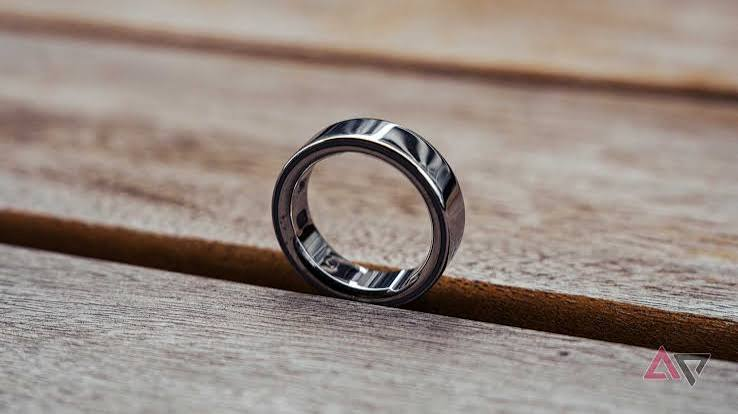
If you prefer a ring, the same 2025 study found Oura Gen 3 and Gen 4 agreed most closely with the reference. Oura also uses a paid membership.
How Should You Use a Wearable Without Over-Reading the Numbers?
Whichever side of Hume vs Whoop you pick, use trends, not single nights. A pattern over weeks is far more useful than one score. These three habits help.
Look at Weeks, Not Days
A low recovery score can come from a hard workout, stress, poor sleep or illness. The app cannot tell which one.
Do Not Treat Scores as Diagnoses
Recovery, sleep and aging scores are estimates built from a few signals. They cannot diagnose a condition or measure your true biological age.
Talk to a Clinician About Concerns

If a pattern worries you, bring it to a clinician. Do not change treatment based on a wearable alone.
Pro Tip: A 14-Day Side-by-Side Test
This is the method I recommend before you settle Hume vs Whoop. It uses return windows and costs nothing.
Wear It With Your Current Tracker
If you own another tracker, wear both for a week. Compare total sleep time and resting heart rate, which usually line up closely.
Check the Habit, Not Just the Data
Ask whether you opened the app daily and changed anything. If not, a cheaper option may be enough.
Use the Trial
Hume offers a 45-day at-home trial. Check Whoop’s current trial and return terms before ordering.
Is Hume better than Whoop?
In Hume vs Whoop, it depends on your goals. Hume is better for a one-time price and trend insights. Whoop is better for athletes and for those who want more independent research.
Does Hume require a subscription?
No, core scores work without one. Hume offers an optional Premium plan from $8.99 a month.
Does Whoop require a subscription?
Yes. The band comes with a membership of $199 to $359 a year and does not work without it.
Is the Hume Band accurate?
Reviewers find it useful for trends, but we found no published independent validation study. Wrist sensors are less reliable during intense movement.
Is Whoop accurate?
Whoop 4.0 showed acceptable overnight heart rate and HRV agreement in a 2025 study. Whoop 5.0 was not part of it.
How long do the batteries last?
Hume lists up to 14 days, and Whoop 5.0 lists 14 plus days. Real use varies.
Does Whoop track blood pressure and ECG?
Whoop says those features are on the Whoop MG, sold with its top tier. It describes the ECG as FDA-cleared and blood pressure as a wellness beta.
Conclusion
Hume vs Whoop is a choice between lower long-term cost and stronger evidence plus training tools. Pick Hume for budget and trends, and Whoop for training and more independent research. We keep guides like this updated at stoninsider.com so you can compare with current information.








Leave a Reply